
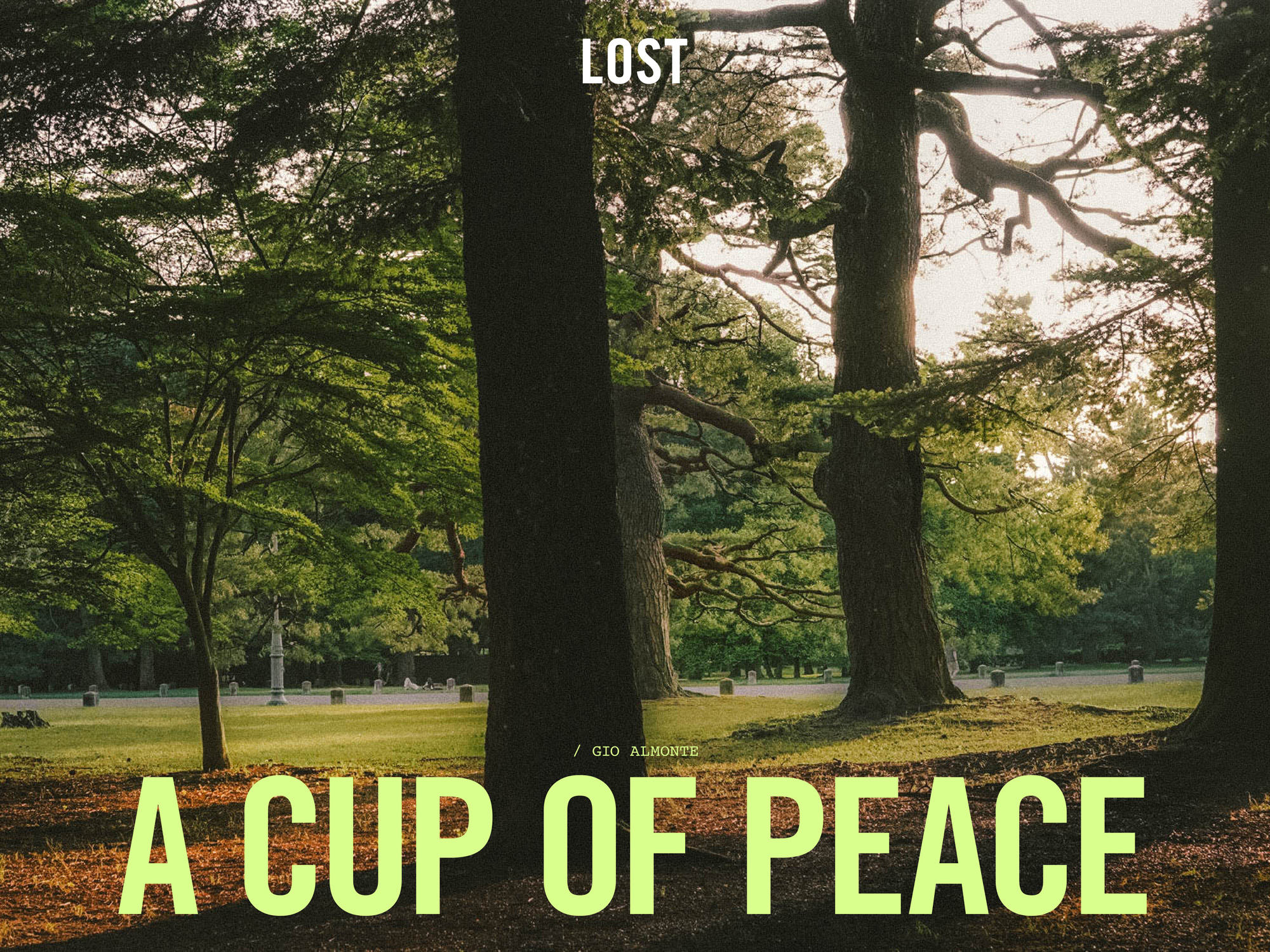
A CUP OF PEACE
BY GIO ALMONTE
Since I have started working, I have been longing to travel more. Like a piece of dessert at the end of a long day. Or a cup of peace to wash the deadlines down. Is this what they mean by having a quarter-life crisis? Maybe that is why I am going to Japan again. “So let’s cancel our plans tonight, I’d rather stay at home.” My earphones belt out the latest R&B song I came across a week ago as we land at our destination—Kyoto.
There are 168 hours in a week. Between work, sleep, and weekend plans; little remains for the rest. Maybe more time is the solution, I used to think. Speeding these routines up for cupfuls of peace in between.
Maybe I can optimize peace.
Filling the cups until they overflow with tranquility. These days it’s all about optimization, lest you fall behind. How can we not when the world moves so fast?
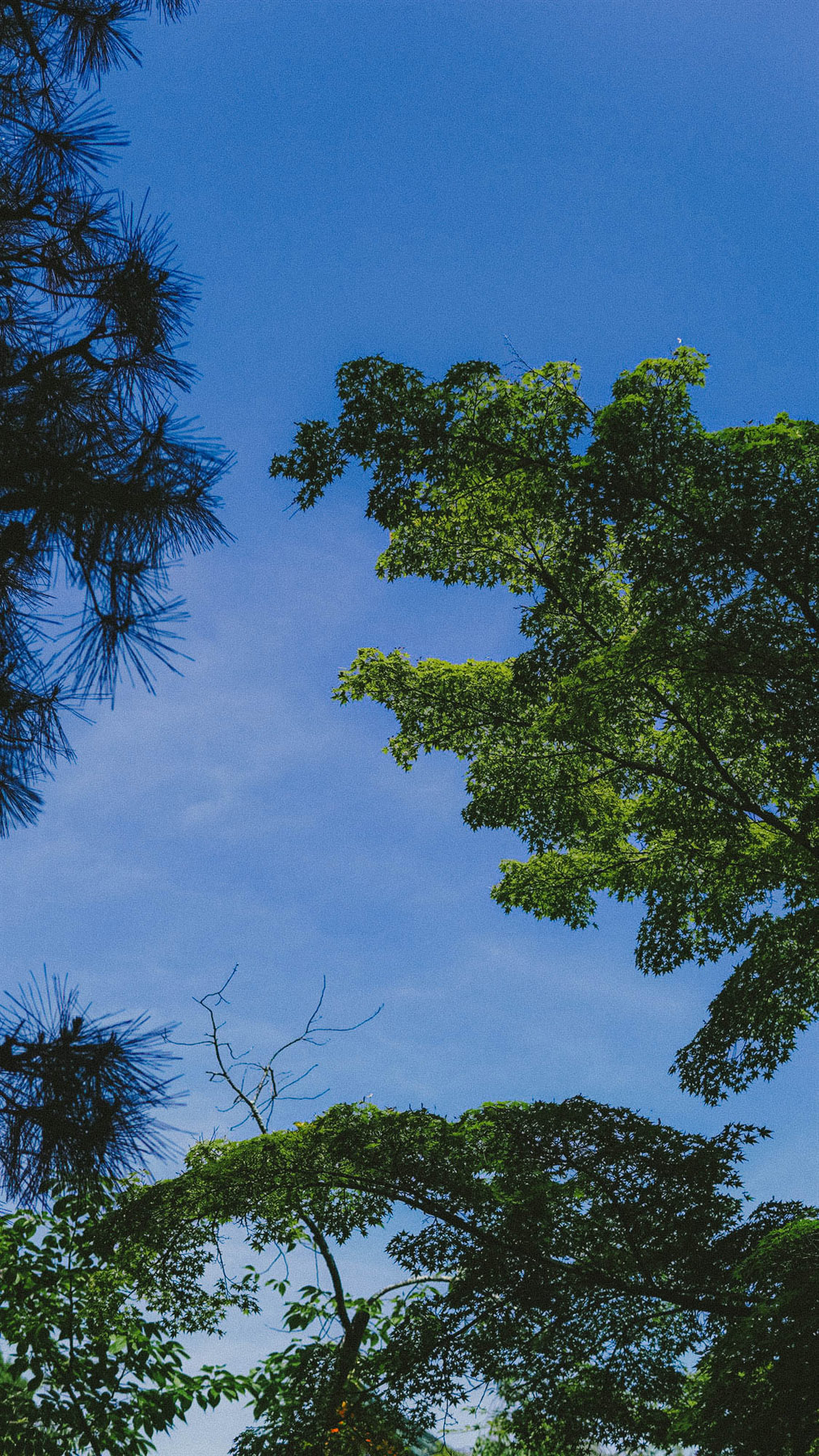
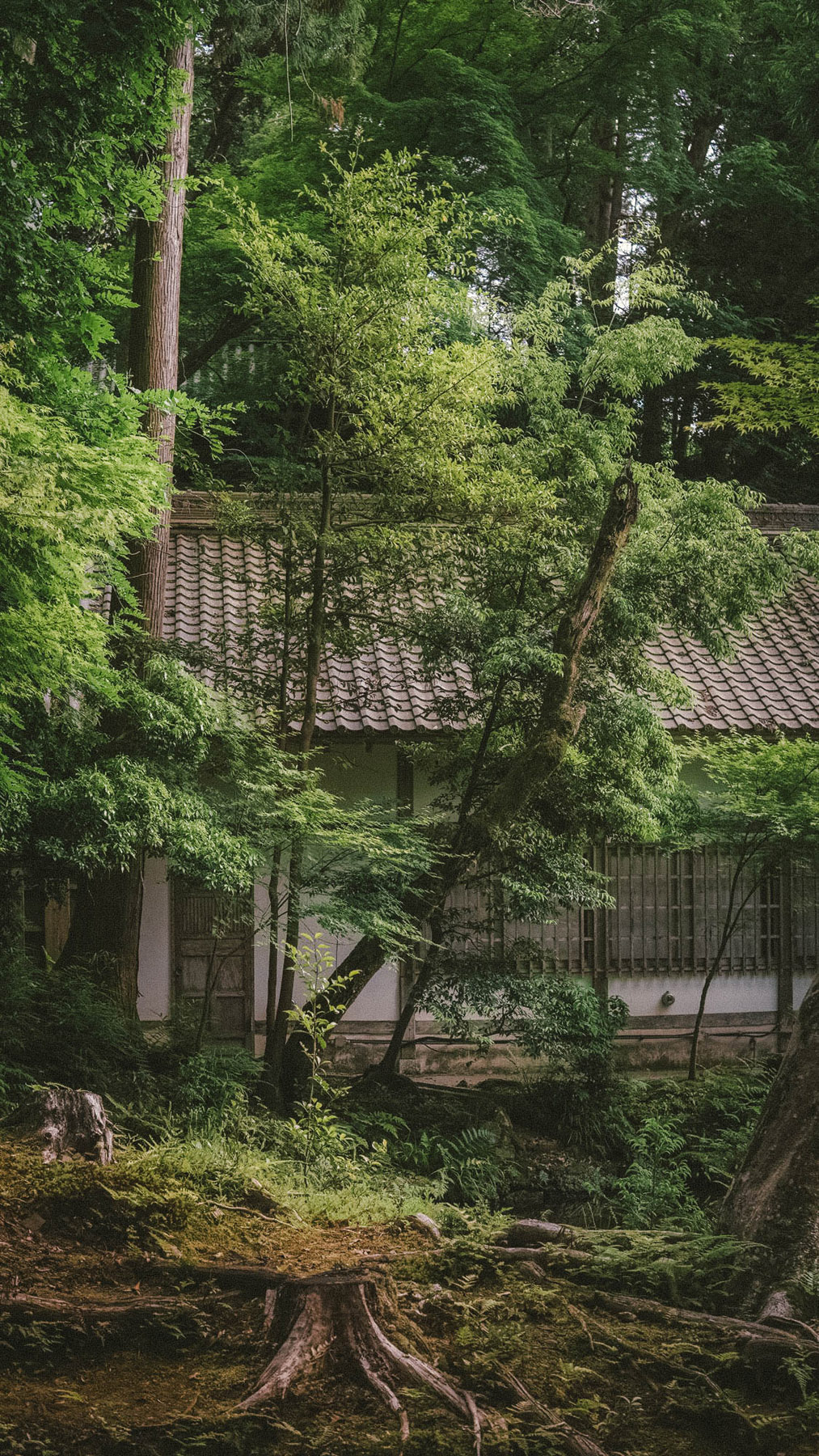
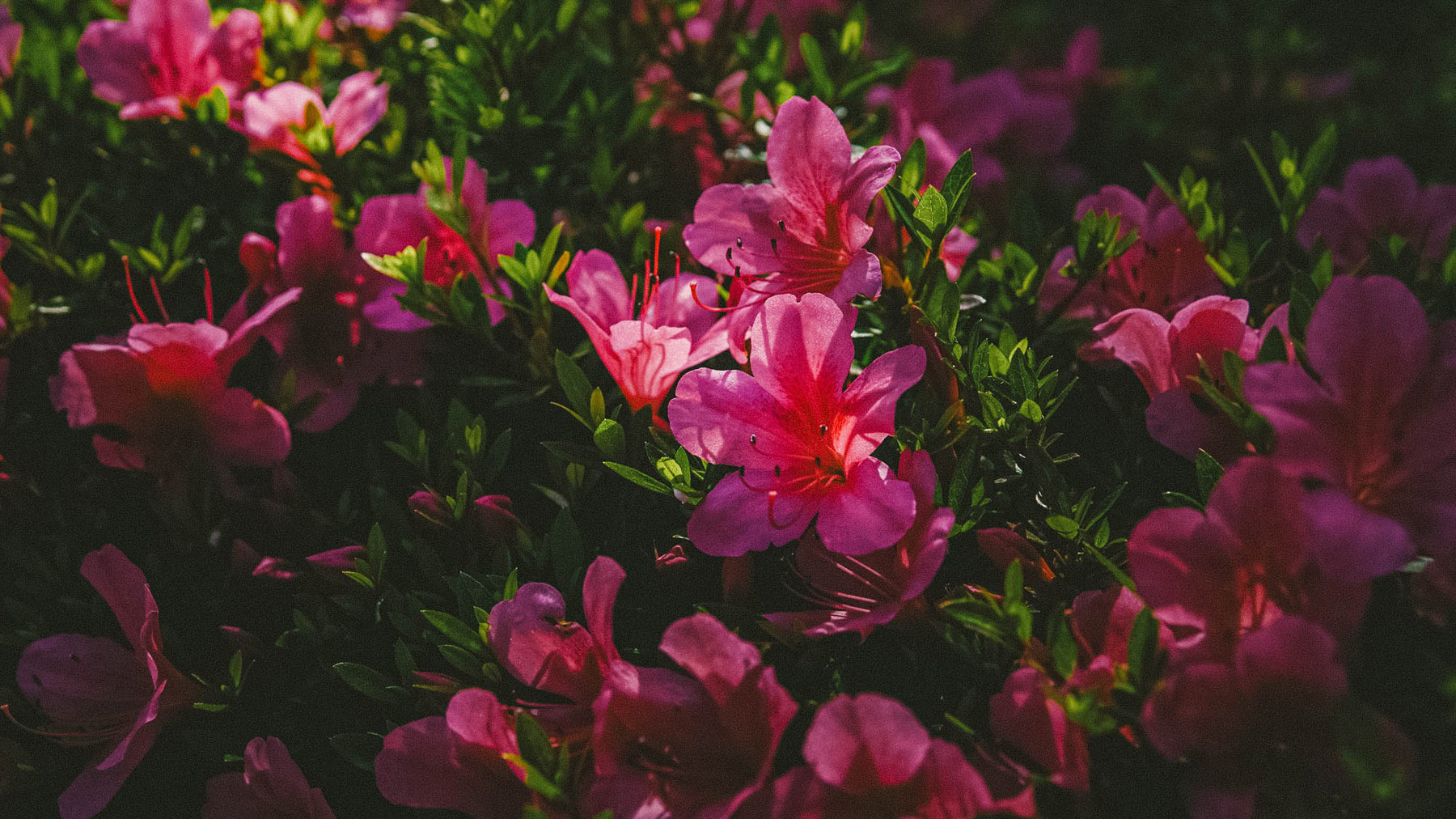
I spend my first morning in Kyoto going for a run. You don’t really appreciate green spaces until you realize your home city has replaced it with cafes and malls. I run along the Kamo River while tourists skip over its rough rocks. The wide avenue of trees in Demachiyanagi. The bikers whose babies blankly look at the sky from their attached baskets.
Running, an article I read in the paper said, was necessary for health and keeping us sane.
At home, I think of running in terms of statistics. Speed, distance, time. But when your mind is filled, where is the space for peace?
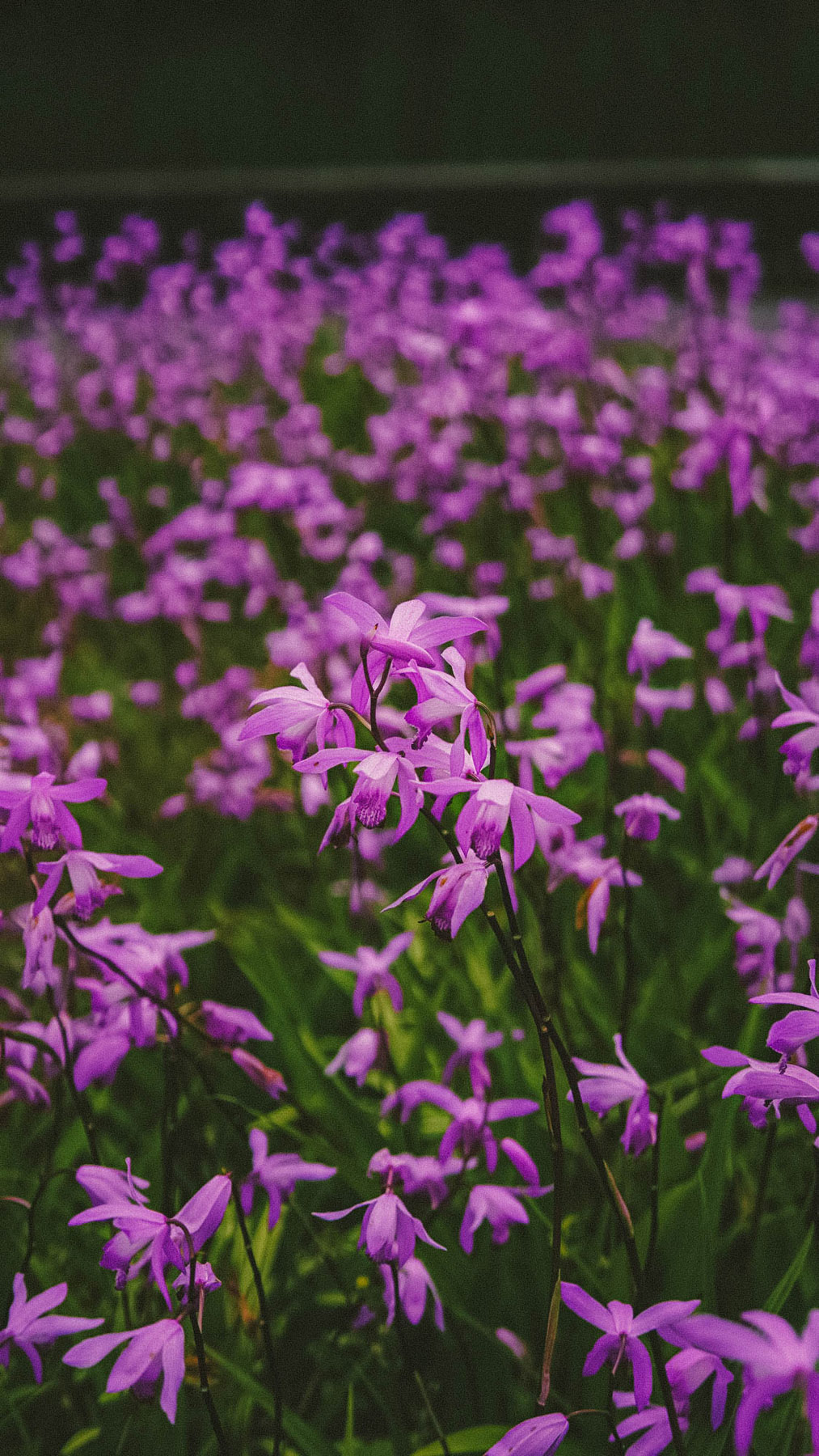
So along the river I decide to make a few stops where the wind meets the trees. I eat karaage with tea for breakfast. I watch the summer blossoms fall. I breathe in the air which does not need to make room.
The run now sits in my Strava with all the others—it is one of my favorites.
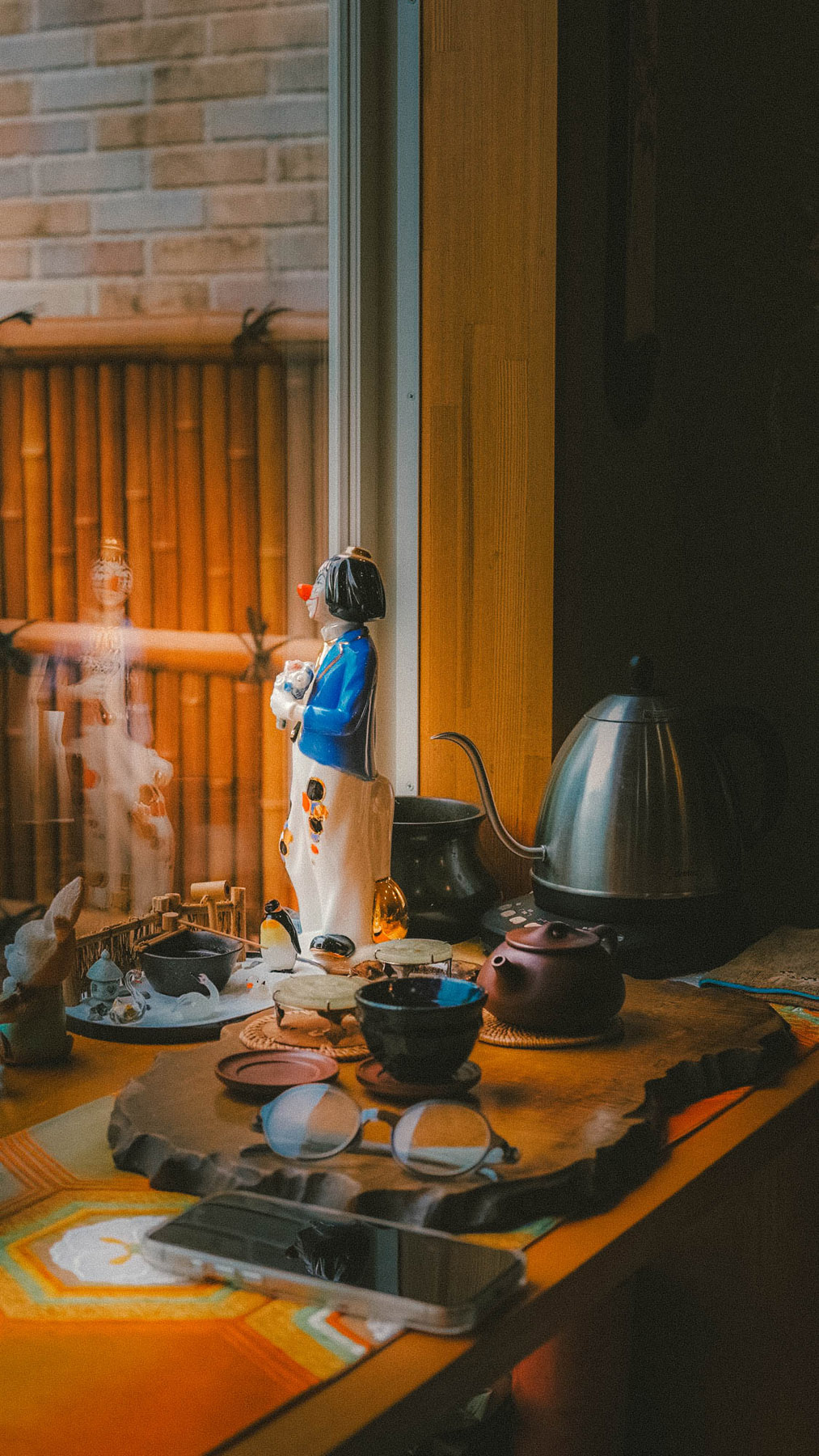
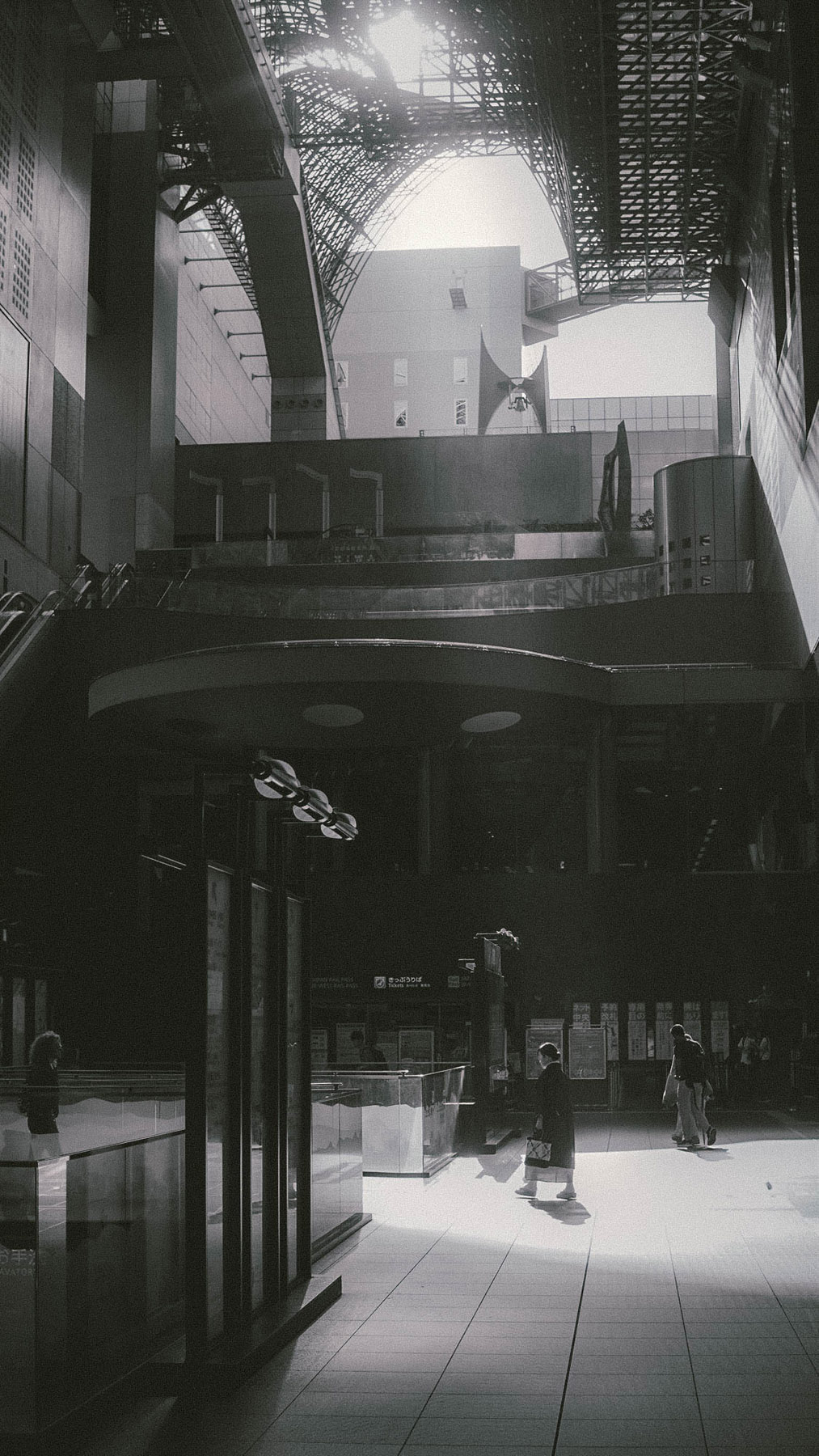
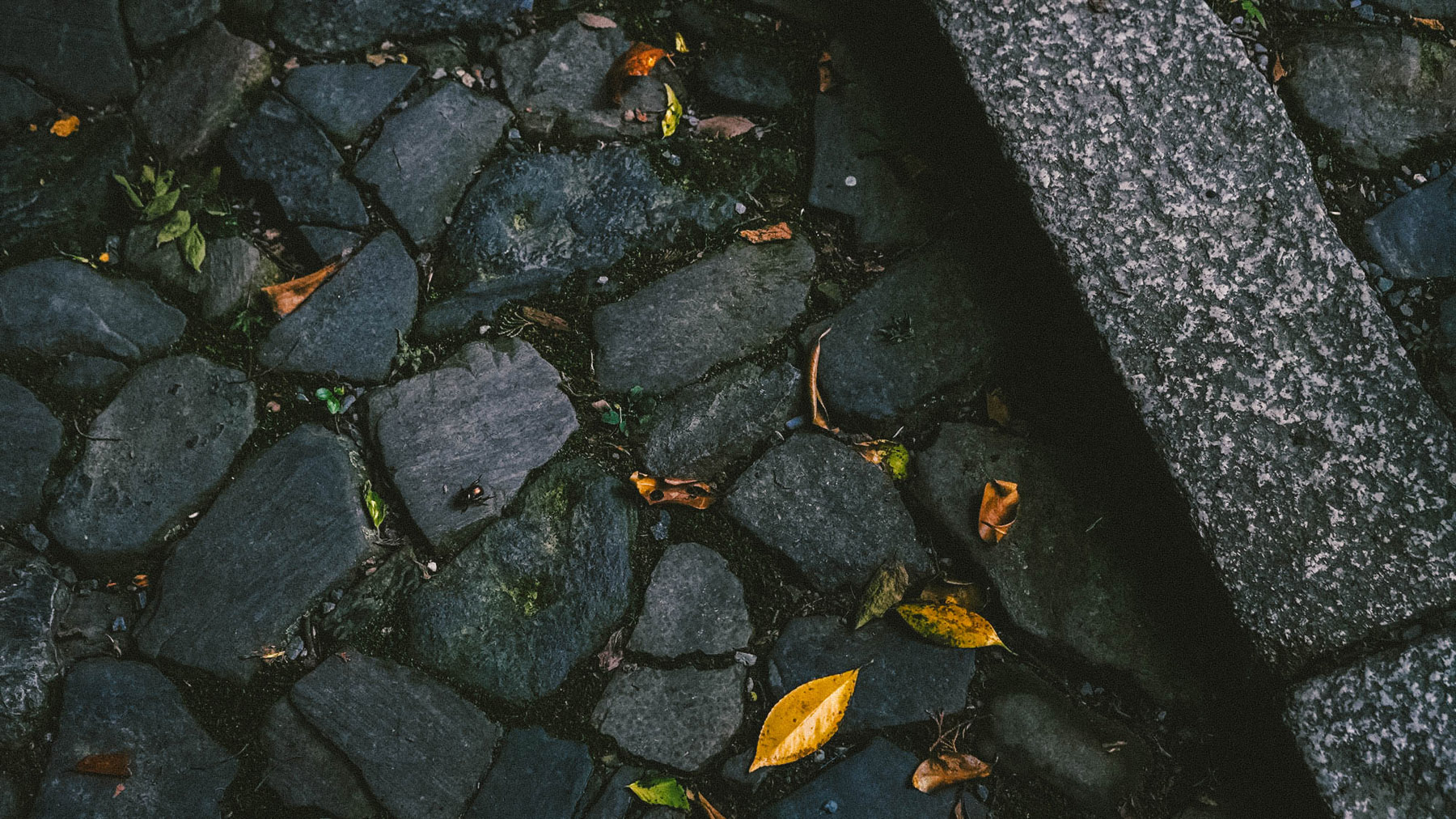
On my second day, I take the bus to the Philosopher’s Path. Two kilometers of stone paths along the canal, passing through small bakeries and cafes that line the sides of Kyoto’s temples.
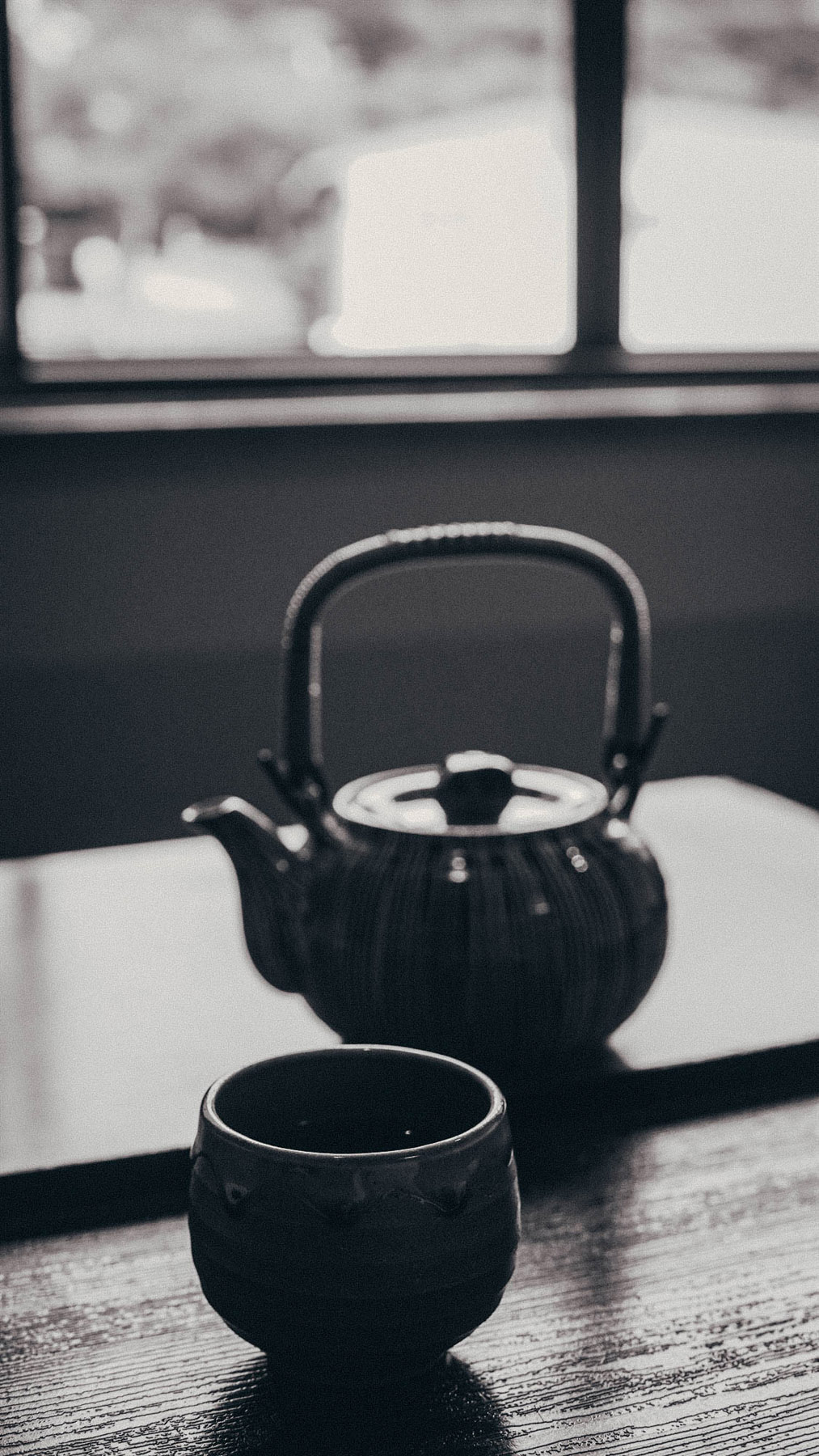
I stop by a tea shop, where I find time to write in my sketchbook. Next to me, the kettle boils quietly. The owners drink tea with their friends. Someone steps outside to light a cigarette while the stream continues to flow, just as it always has. I wonder where he finds his peace.
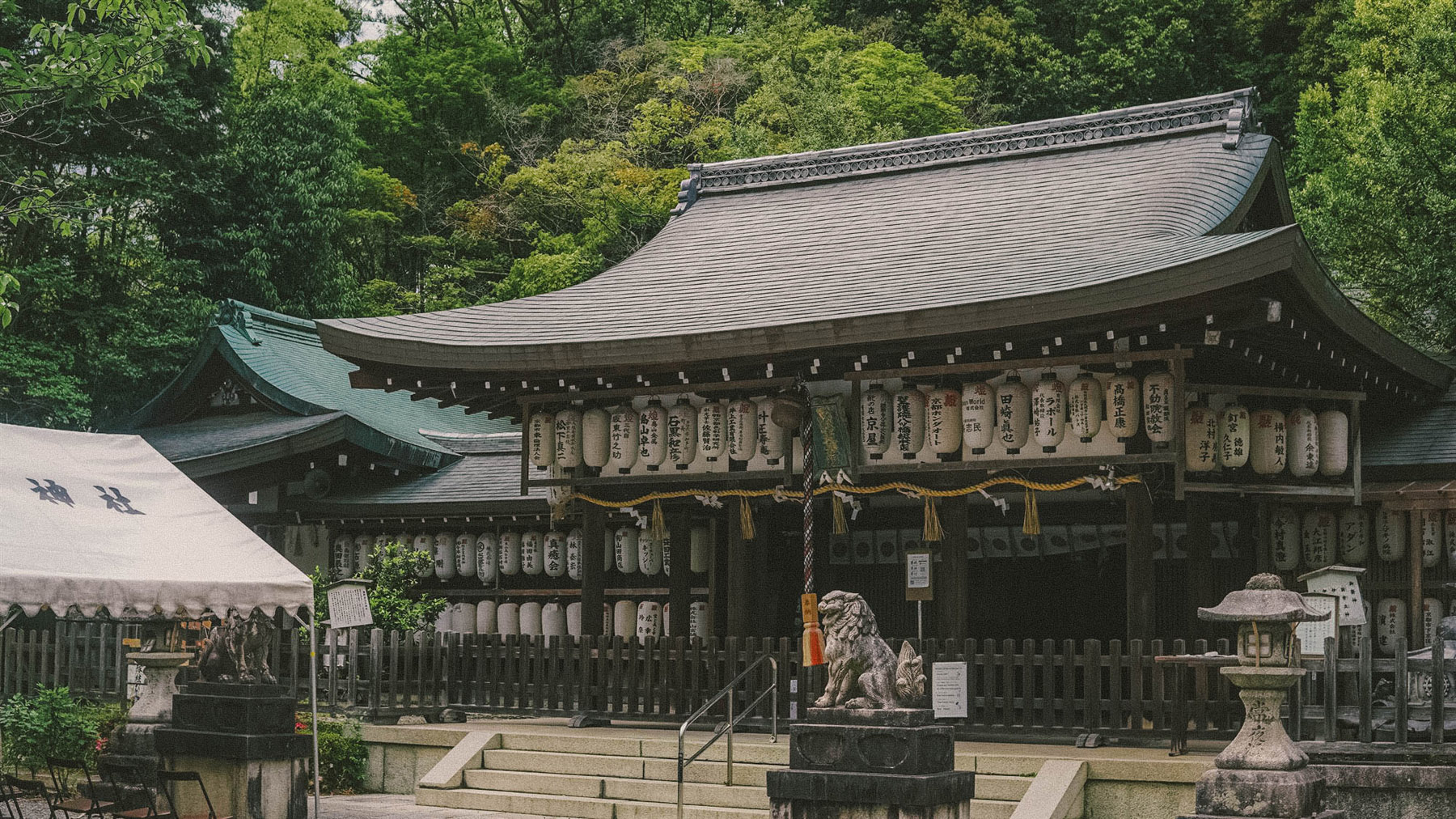
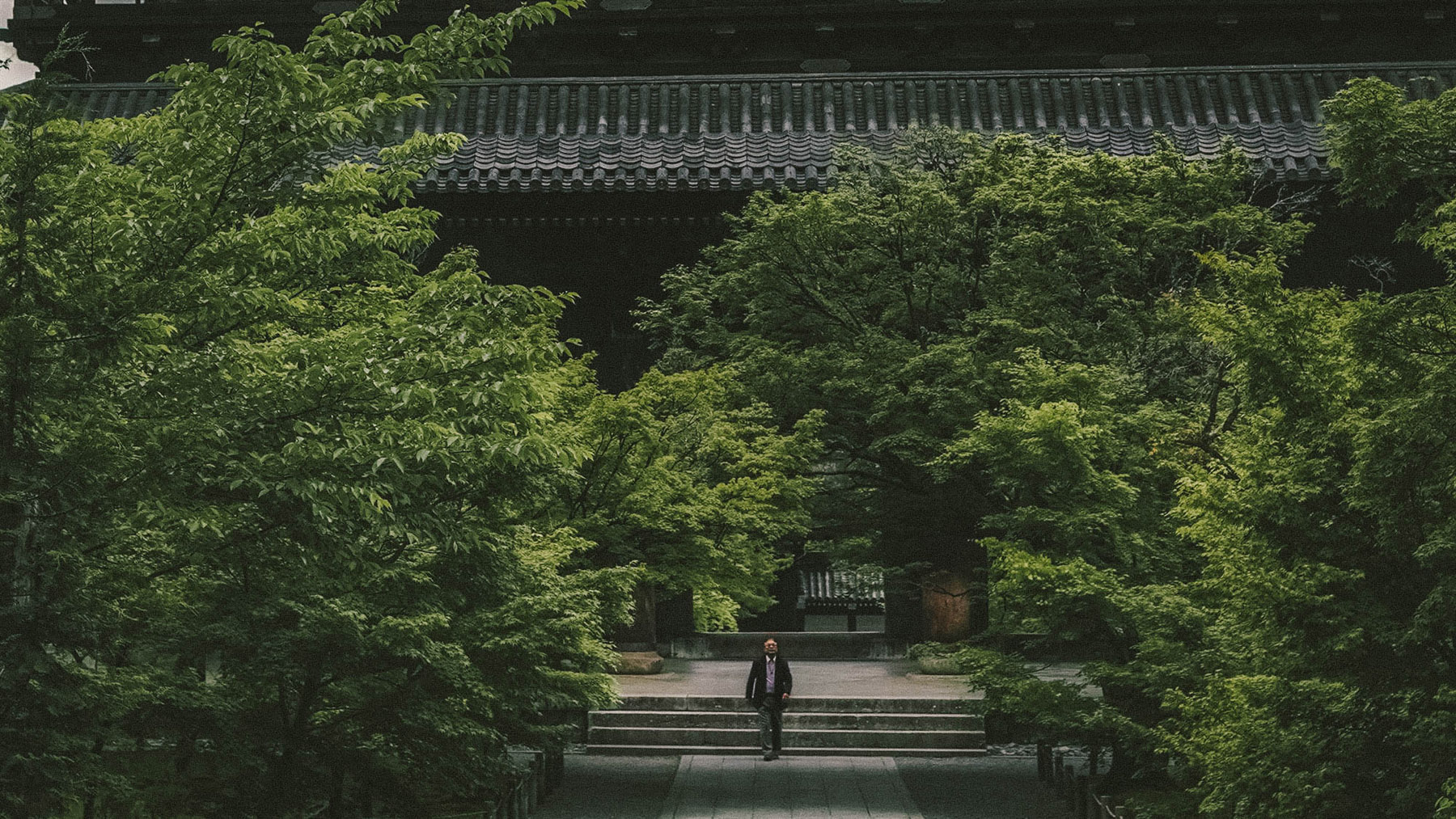
I think about peace.
Living in a world where peace seems to be planned. Manufactured, condensed, profiled to fit in small squares that we squeeze in between life’s routines that also feels a bit too fast.
In this world, my favorite phrase in Japanese was 「石の上にも三年」, three years on a stone. It means to persevere.
I used to focus on the idea that it takes time to do things. But maybe I was wrong. Maybe it actually meant that things take time. Time to do, time to rest, time to be kind to oneself. A sort of patience—not a tool, but a relationship with time.
Like a river that takes its time to flow.
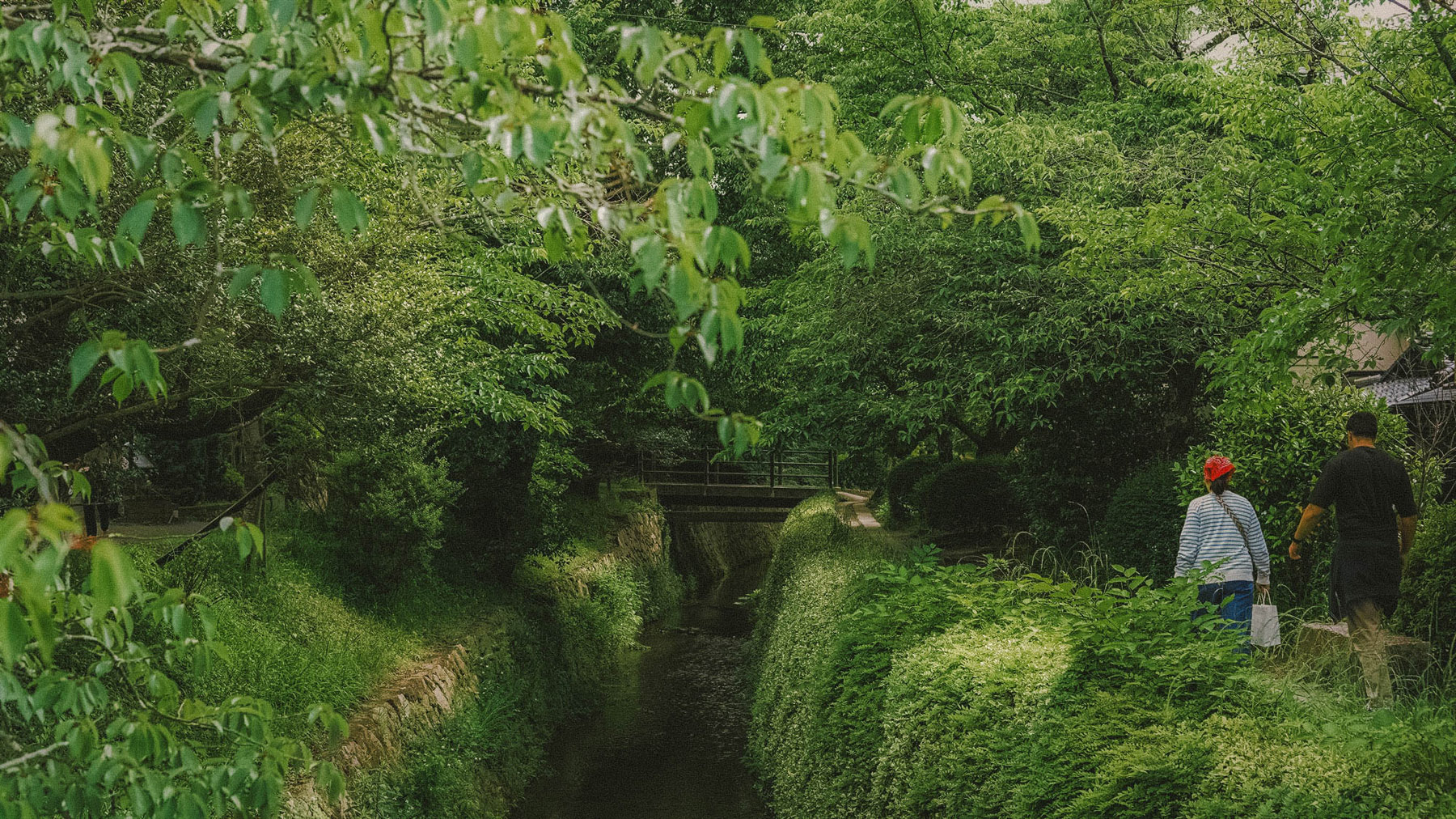
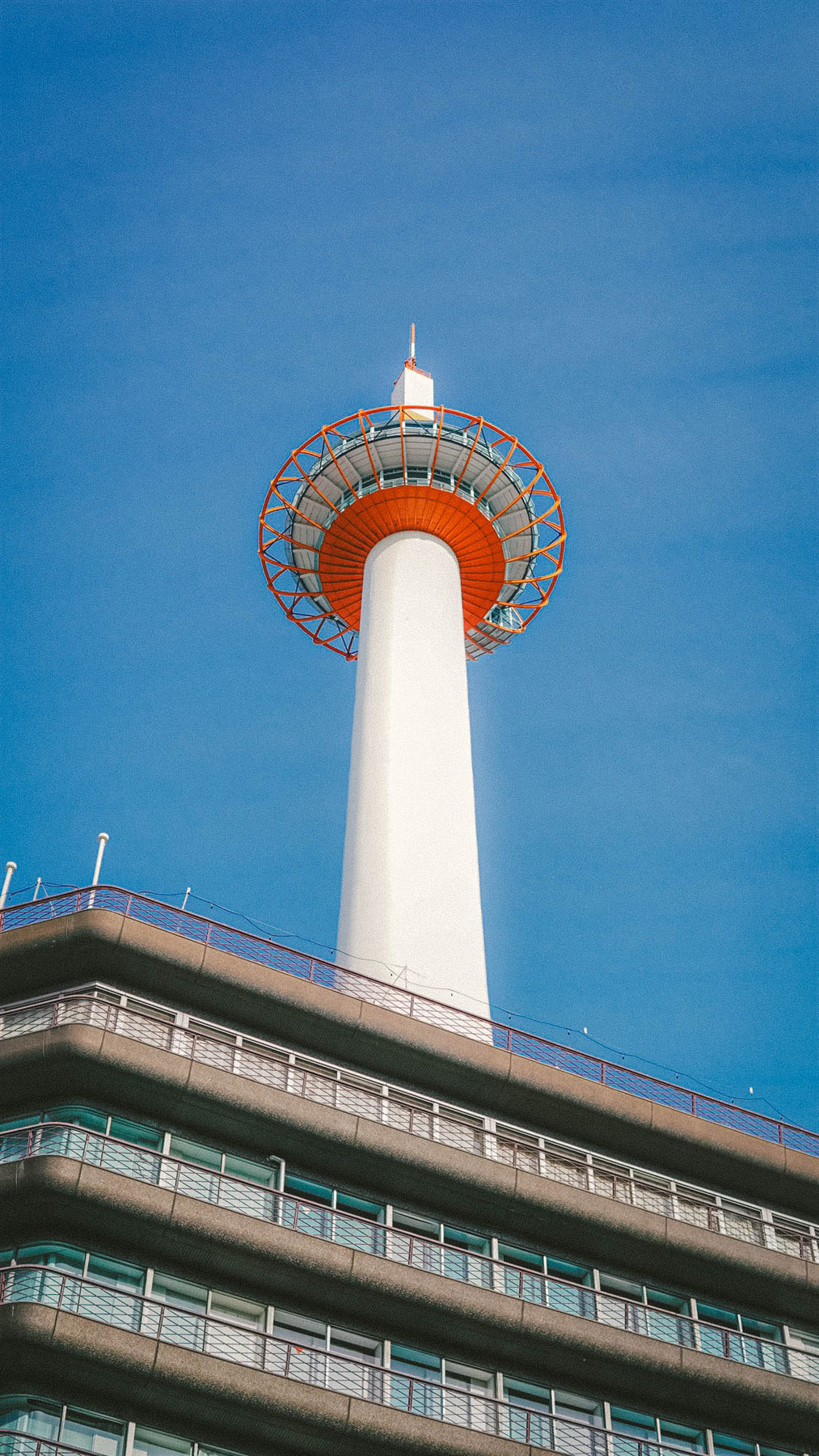
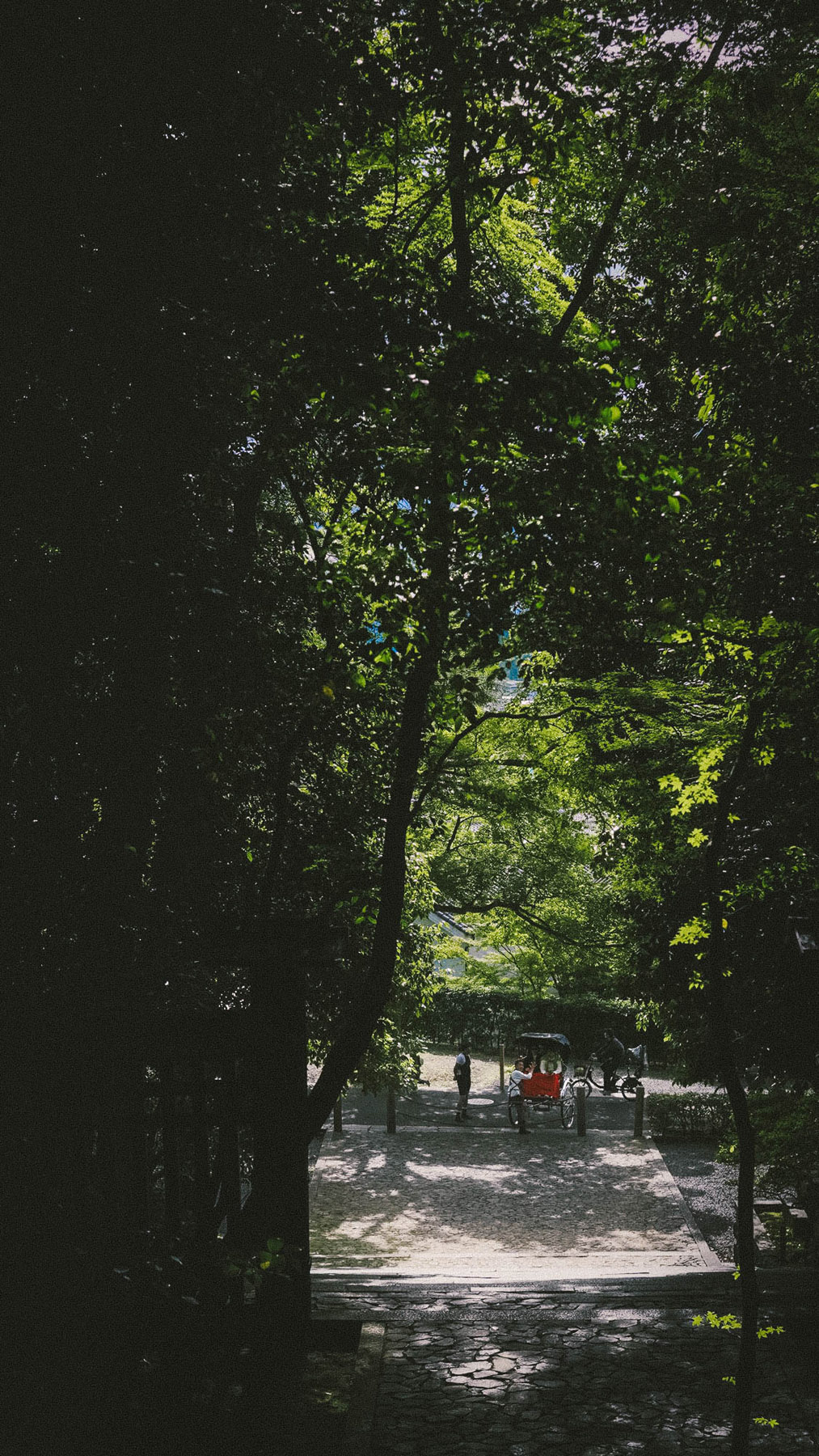
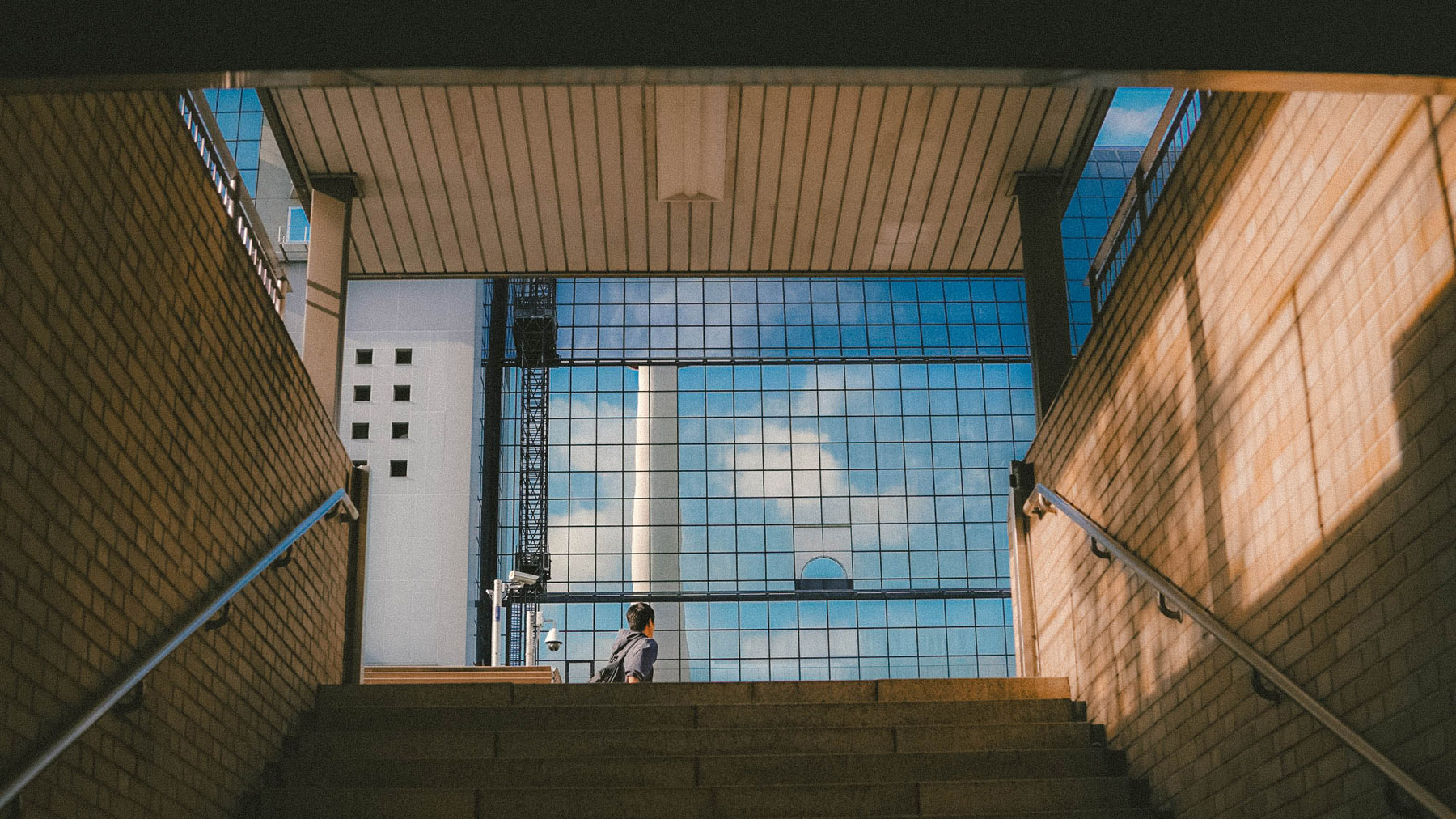
Just past the small bridges crisscrossing the canal, I take a detour to Hōnen-in. You enter through a moss-thatched gate into the temple grounds, where one supposedly finds spiritual cleansing.
I spend most of my time there lying down on the sand pointing the viewfinder towards the pagoda and the sky. My camera has been with me for the past seven years and its age is starting to show. The screen doesn’t work, the buttons begun malfunctioning, but it can still take photos which at this point is all I need.
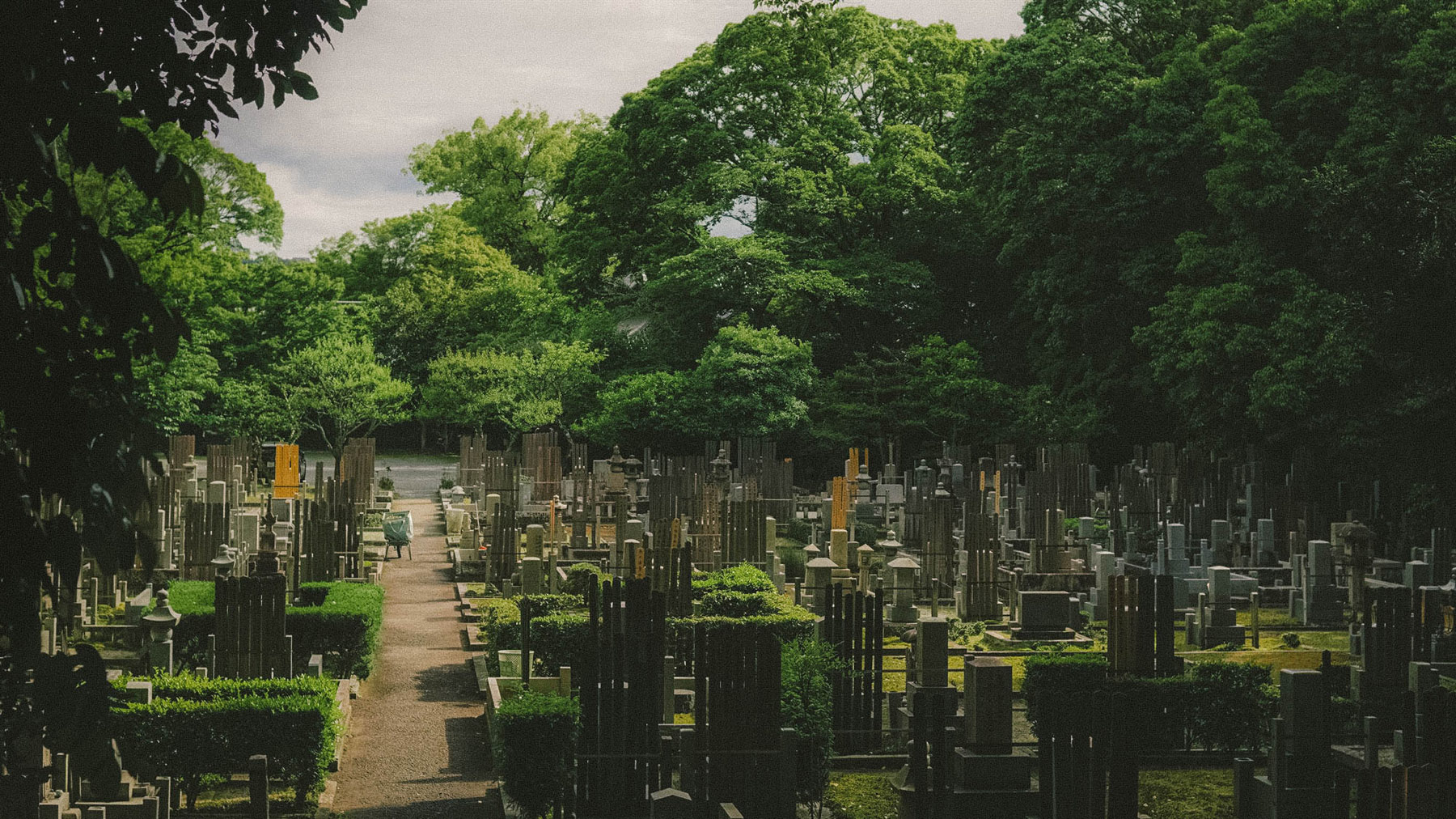
I rest on its mossy floor with an apple cake I bought along the way. Alongside the misshapen statues line the pathway to a nearby cemetery.
I wonder what the statues must think as they watch the travellers pass by in search of peace. Where the travellers must have come from. Their unmoving bodies blessed with the luxury of idleness.
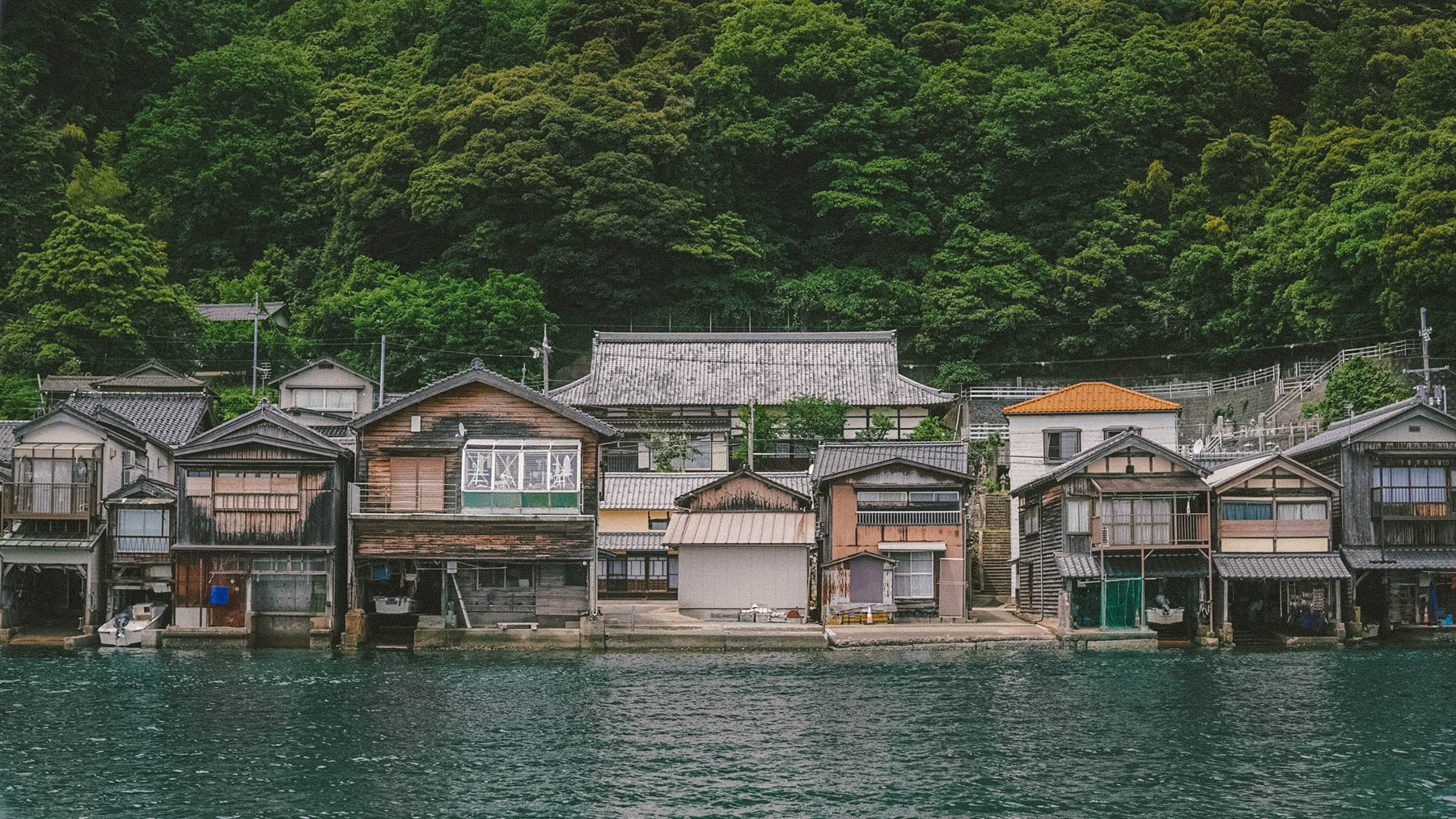
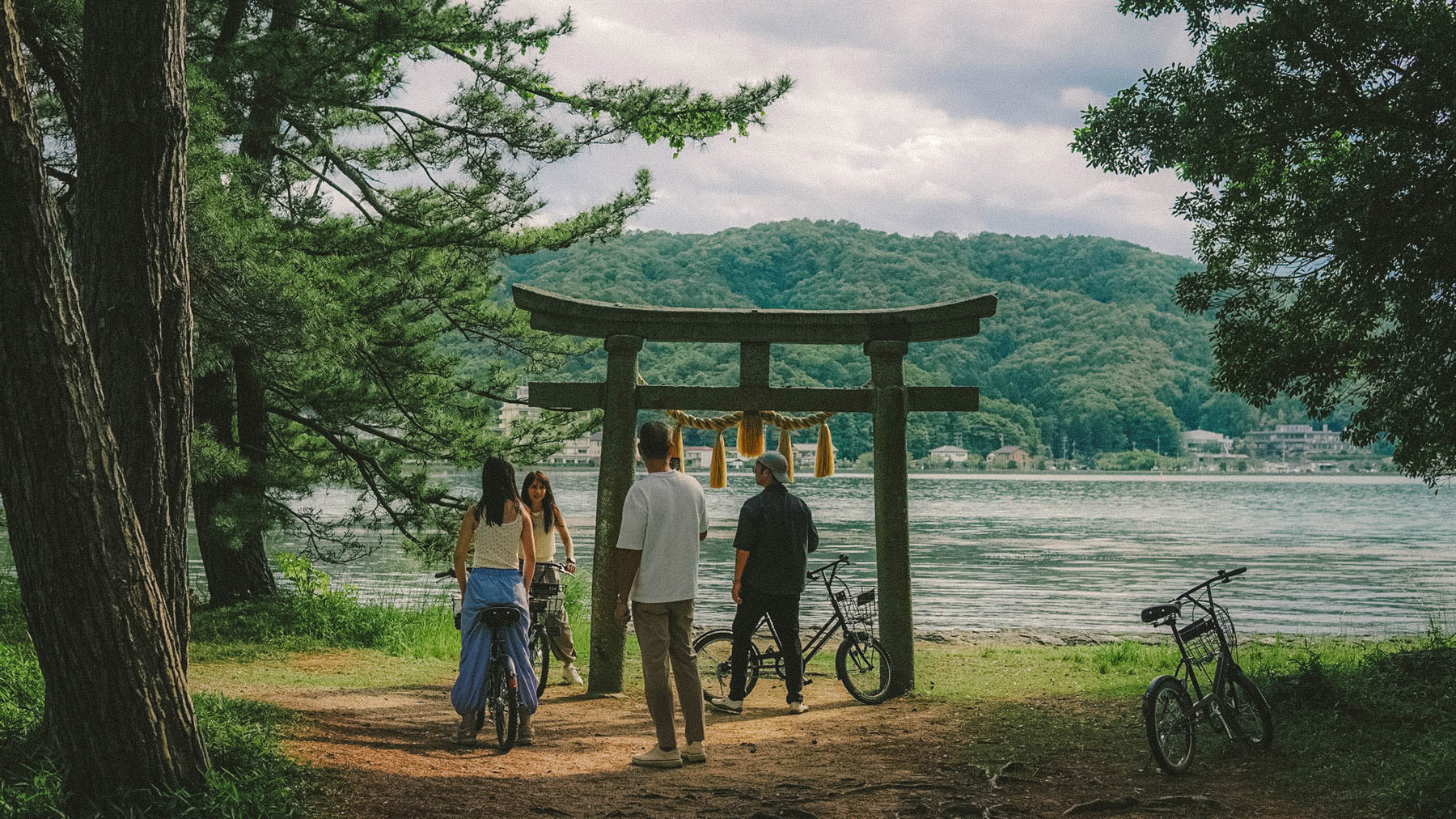
I often go looking for tea when I travel. In a city like Kyoto, matcha feels almost synonymous with tea.
Uji matcha is written on every crinkled English menu, displayed across aesthetic café shopboards, and, surprisingly, mixed with beer. But to me, matcha is too close to what life is like now. It’s convenient, fast to make, and consistent in flavor. Its bright color is a companion to an otherwise fast-paced world, mixed into drinks and desserts that sometimes feel heavier than they should without the lightness that tea used to bring.
Oolong, however, thrives with time. 90 seconds for the first pour, 120 for the next, again and again until the leaves can give no more. Each pour evolves the flavor from tart to soft, milky to grassy, amber to a light yellow. A single leaf the shape of a pea grows exponentially to a stem with three leaves. Not something that saves time, but drinks it in like a plant looking for water.
I often think of oolong as a symbol of peace
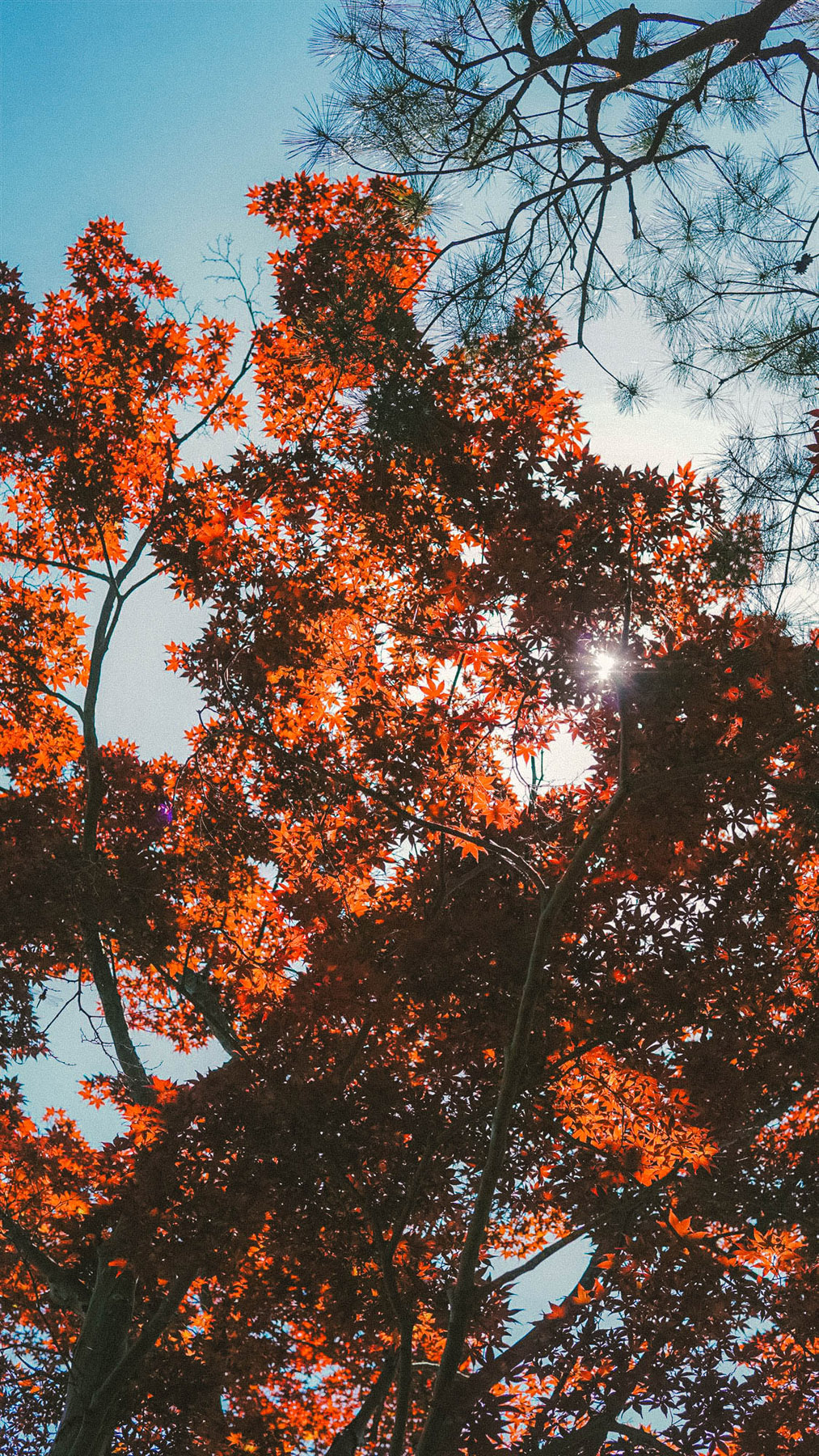
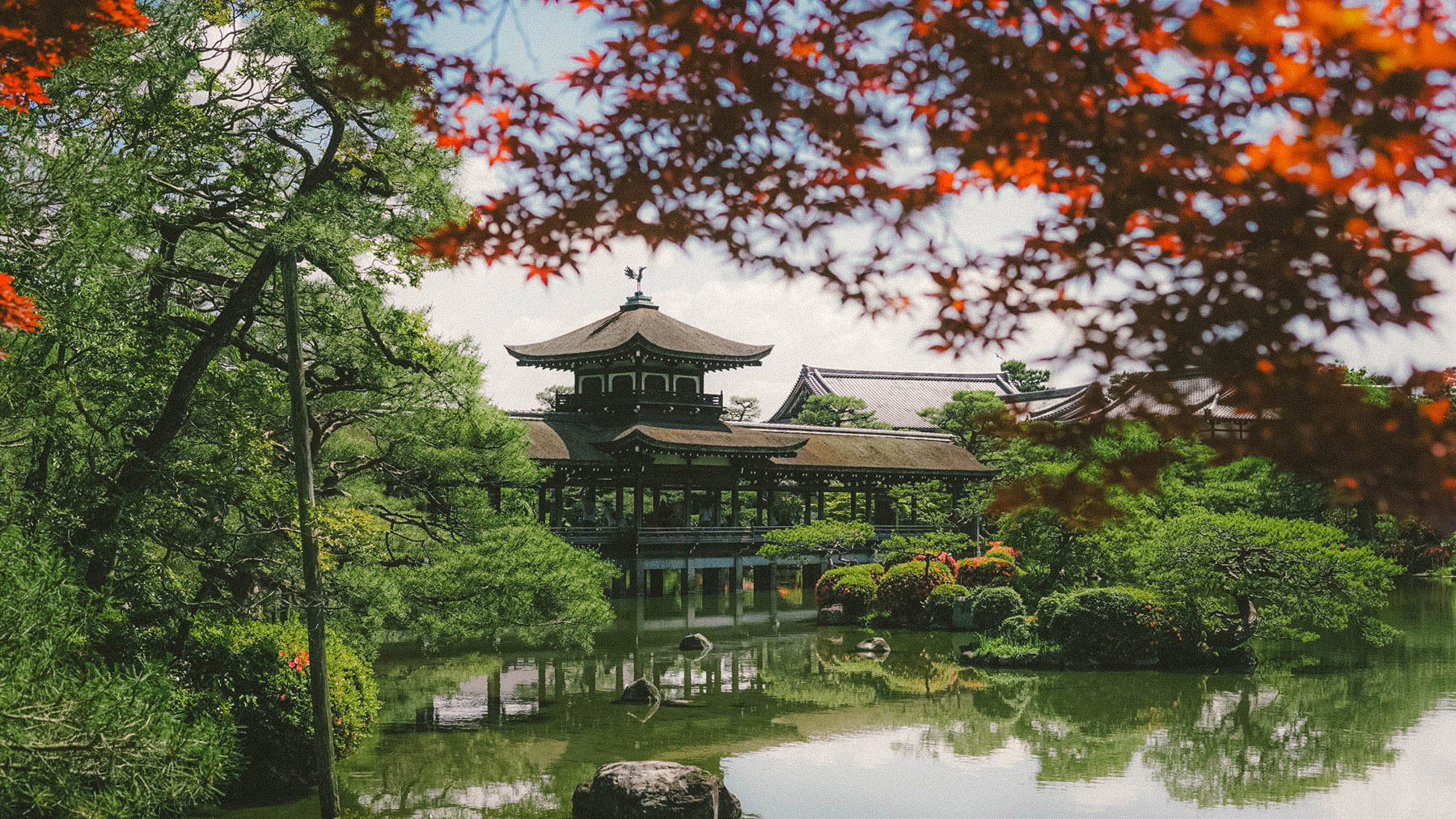
You never rush the brew, so you may let the leaves bloom. You don’t overflow the cup before it is drunk. And, of course, you never stop drinking it until you die—which, as some authors say, is where you find lasting peace. It is slow, deliberate, and moves alongside your life rather than existing separately from it. Not a dessert to be rushed and enjoyed at the end, but a cup to be drunk from every day.
Looking at life, maybe we drink it deliberately to better taste its flavors and allow it to bloom.
Looking at peace, maybe we let life’s unknown live through its flavors instead of trying to overflow it with the known.
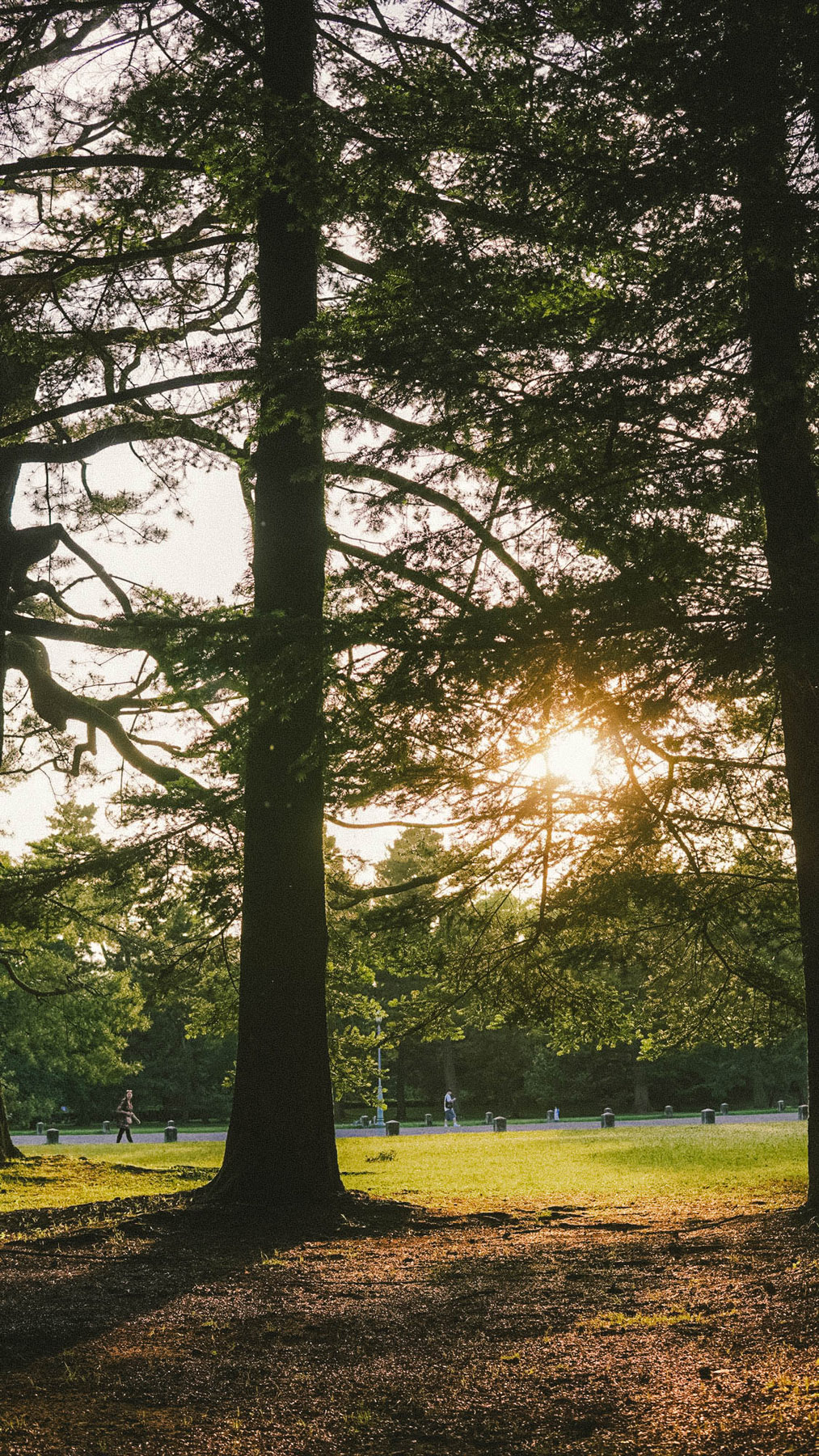
I sit inside the Imperial Palace grounds trying my best not to look at my phone for a message that may have arrived. Struggling to give the unknown its own time to bloom.
How else can a 24 year-old deal with a future filled with so many unknowns than by trying to make his present very much known?
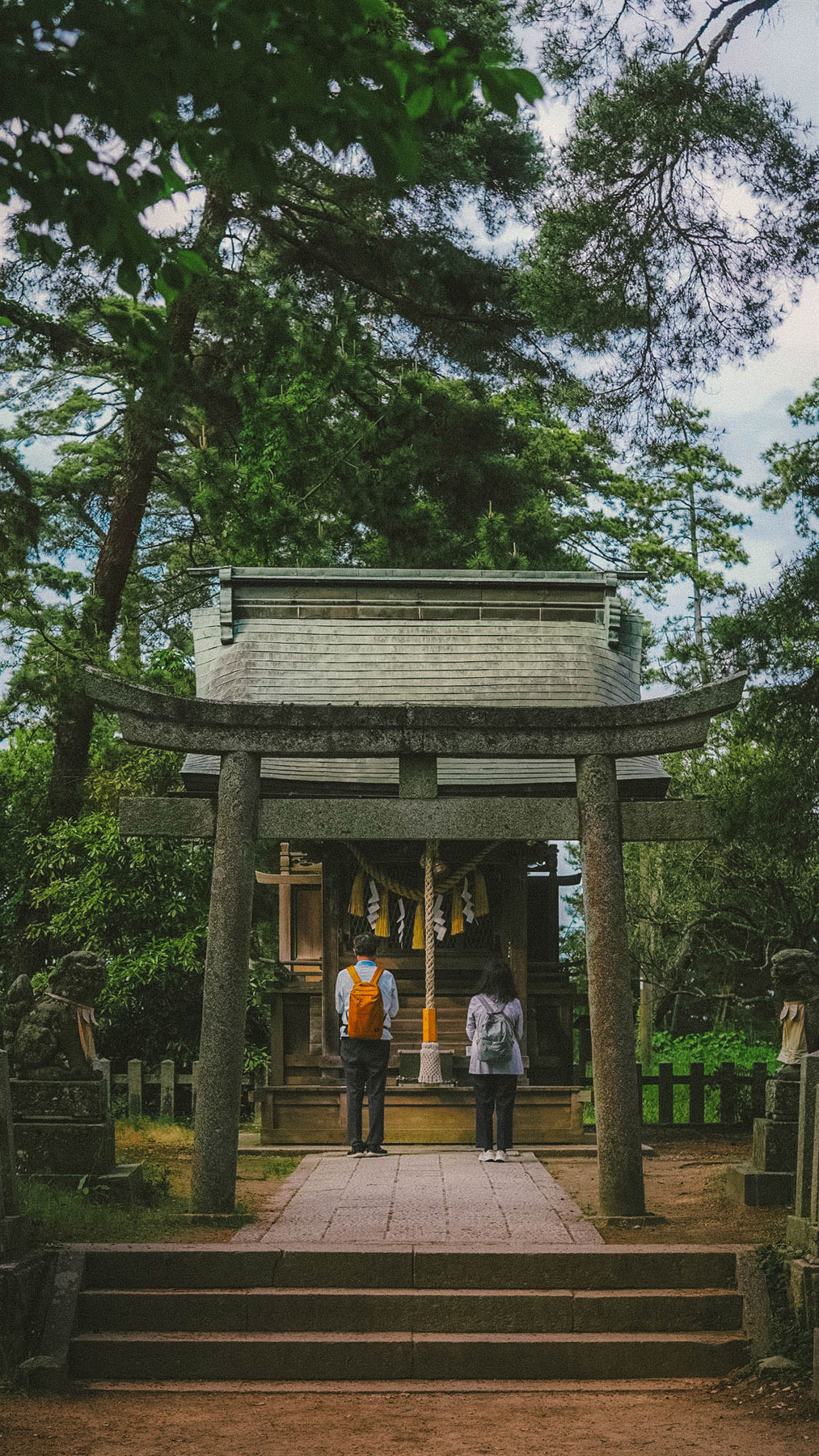
I sit remembering the shrines where people come to pray, standing silently, holding the prayers of unknown travellers. Peace, some probably said. Maybe a life that is known, so I may have peace.
But the grass does not plan for the sunshine, nor does the tea plan its flavor.
I sit cross-legged in the clearing to write again in my sketchbook. This time, I drink tea from a bottle I bought for 120 yen at the vending machine next door.
I don’t remember the phone ringing again.
I play the same music again as my plane shakes off the water droplets the city has started to wear.
I still long for travel, but maybe a little less for peace.
GIO ALMONTE is an engineer and photographer based in Manila, Philippines. He is passionate about renewable energy and bringing people from different backgrounds together towards common goals. He likes to travel and sees it as a way to turn his lens both towards local cultures and the inner self. In his free time, he loves to read, brew tea, and play with his two dogs; Chibi and Bastille. You can find more of his photography in his Instagram: @jpg.io